Source Custom Plush Doll for Gifts, Decor, and Promotions
Source 25 custom plush doll options for gifts, decor, and promotions. Compare OEM/ODM capabilities, CE and ASTM certifications, and soft material features to find the right supplier for your brand.
Key considerations
Products List




Comprehensive Sourcing Guide
Plush Doll Sourcing Guide
Sourcing custom plush dolls requires a strategic approach that balances creative customization with rigorous supply chain verification. The market offers a wide array of options ranging from generic standing dolls to specific cartoon character replicas, all of which can be tailored to meet unique branding or gifting needs. Buyers must navigate a landscape where attributes like softness, weight, and material composition are often customizable, allowing for distinct product differentiation. Understanding the specific technical and compliance requirements is essential before engaging with manufacturers, as the flexibility in design often comes with complex production variables that impact both cost and timeline.
The procurement process for these items is heavily influenced by the manufacturer's ability to handle OEM and ODM requests while maintaining consistent quality standards. Suppliers typically offer services that include custom logo application, tailored packaging, and the ability to produce samples within a short window, often between three to eight working days. However, the transition from sample to mass production introduces lead times that can vary significantly, ranging from approximately twenty days to over a month depending on order quantity and complexity. Buyers need to establish clear communication channels early to manage expectations regarding production schedules and shipping methods, which may include ocean or air freight with door-to-door service availability.
Product Scope and Observed Listing Signals
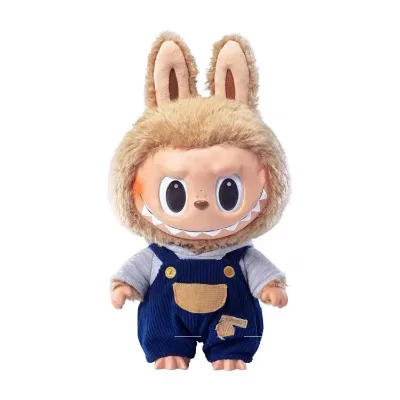
The observed product listings indicate a diverse range of plush doll types, including standing dolls, standing animals, and specific character designs such as Chibi Maruko-Chan. These products are generally categorized as toys intended for gifting, with age recommendations spanning from three to eight years up to all ages. The material composition is consistently identified as plush, offering a soft and comfortable tactile experience that is a primary selling point for this category. Buyers should note that while some listings specify "Cartoon Character" as a modeling source, others allow for fully custom modeling, meaning the final product can be a unique creation rather than a licensed replica.
Commercial signals from the market show a price range between 0.36 and 5.99 USD, with minimum order quantities (MOQ) varying from 10 to 1000 units. This wide variance suggests that pricing is highly dependent on the level of customization, the complexity of the design, and the volume of the order. Packaging is another variable factor, with options ranging from standard cartons containing 30 to 40 pieces to custom packing per toy size and client request. Buyers must carefully evaluate these listing signals to determine if the supplier can accommodate their specific volume needs and packaging requirements without incurring unexpected costs or delays.
Technical Specifications to Verify
When evaluating technical specifications, the first priority is confirming the customization capabilities regarding the doll's dimensions, weight, and color. The sourcing data indicates that weight and modeling sources are often custom, allowing buyers to specify exact dimensions and visual styles. It is critical to verify the "Toy Design" attribute, which is listed as custom-made, ensuring that the manufacturer has the technical capacity to translate a client's concept into a physical prototype. Additionally, the production of samples is a key technical step, with revised samples potentially available without limit, which allows for iterative refinement of the design before full-scale production begins.
Beyond the physical attributes, buyers must verify the functional specifications of the plush doll, such as power requirements and washability. The available data confirms that these products are typically not power-operated and are unable to produce voice, focusing instead on the tactile and visual appeal of the plush material. The washable nature of the product is a significant technical feature that impacts the durability and maintenance requirements for the end-user. Furthermore, the production time is a critical technical constraint, with estimates ranging from about 20 days to 25-35 days, depending on the order quantity and specific production requests.
Compliance and Safety Documentation
Compliance is a non-negotiable aspect of sourcing plush dolls, particularly given the target demographic often includes young children. The observed listings frequently cite certifications such as CE, EN71, ASTM, CPSIA, and Reach, which are essential for market access in Europe and North America. Buyers must request and verify current test reports that specifically reference these standards, ensuring that the materials and construction meet the rigorous safety requirements for toys. The presence of BSCI and ISO9001 certificates on some listings indicates a commitment to social compliance and quality management systems, which are valuable indicators of a supplier's operational maturity.
In addition to product safety, buyers should verify the testing standards applied to the final product, such as ASTM and EN71, to ensure they align with the regulations of the destination market. The documentation should clearly state the test results for flammability, chemical content, and mechanical safety, as these are the primary concerns for regulatory bodies. It is important to note that while some listings mention specific standards like ASTM F963 or EN71-1 through EN71-3, buyers should treat these as reference points and insist on seeing the actual test certificates issued by accredited laboratories. This verification step protects the buyer from liability and ensures the product can be legally sold in the intended regions.
Cost Drivers and Commercial Terms
The cost of sourcing custom plush dolls is driven by several key factors, including the complexity of the design, the volume of the order, and the specific customization requests. The observed MOQ range of 10 to 1000 units suggests that smaller orders may carry a higher unit cost due to setup and sampling expenses, while larger orders benefit from economies of scale. Buyers should also consider the cost implications of custom packaging, which can vary from standard cartons to bespoke solutions based on the client's request. The price range of 0.36 to 5.99 USD reflects these variables, and buyers must negotiate based on the specific attributes they require, such as custom logos or unique modeling sources.
Commercial terms regarding lead times and shipping are equally critical to the overall cost structure. Production times can vary from approximately 20 days to 35 days, and buyers must factor this into their inventory planning to avoid stockouts. Shipping options, including ocean and air freight, offer flexibility but come with different cost and speed trade-offs. Door-to-door service availability is a valuable feature that simplifies logistics, but buyers should confirm the specific Incoterms and any additional fees associated with this service. Understanding these commercial terms helps in creating a realistic budget and timeline for the procurement project.
Supplier Qualification and Quality Control
Qualifying a supplier for plush doll production requires a thorough assessment of their technical capabilities and quality control processes. The ability to provide custom designs and handle OEM/ODM requests is a primary indicator of a supplier's flexibility and expertise. Buyers should verify the supplier's sample time, which is typically between 3 to 8 working days, and their policy on sample revisions, which may be unlimited. This flexibility is crucial for ensuring that the final product matches the design intent before mass production begins. Additionally, the supplier's production time of 20 to 35 days should be validated against their current capacity to ensure they can meet the required delivery schedule.
Quality control extends beyond the initial sample to the mass production phase, where consistency is key. Buyers should inquire about the supplier's quality assurance protocols, including how they handle defects and ensure that the final products meet the specified standards. The presence of ISO9001 certification suggests a structured approach to quality management, but buyers should also request specific quality control reports for the production batch. Verifying the supplier's ability to maintain the "soft and comfortable" attribute across all units is essential, as this is a primary feature of the product. Establishing a clear quality control framework with the supplier helps mitigate risks and ensures a consistent product experience for the end consumer.
Long-Term Procurement Checks
Establishing a long-term procurement relationship with a plush doll supplier involves regular performance reviews and continuous quality monitoring. Buyers should track key performance indicators such as on-time delivery, defect rates, and responsiveness to design changes. The variability in production times, ranging from 20 to 35 days, requires ongoing communication to ensure that the supplier can adapt to changing market demands and order volumes. Regular audits of the supplier's facilities and quality control processes can help identify potential issues before they impact the supply chain. This proactive approach ensures that the partnership remains robust and capable of supporting the buyer's growth.
Sustainability and social compliance are increasingly important factors in long-term procurement strategies. The BSCI certification observed in some listings indicates a commitment to ethical labor practices, which is a positive signal for long-term partnerships. Buyers should continue to monitor the supplier's adherence to these standards and ensure that any changes in production methods or materials remain compliant with relevant regulations. By maintaining a focus on quality, compliance, and ethical practices, buyers can build a resilient supply chain that supports their brand reputation and meets the evolving expectations of consumers and regulators alike.
FAQs
Can I customize the plush doll with my own logo?
Yes, customers logo customization is available for these plush dolls. You can provide your design for printing or embroidery on the product label or hang tag. This service supports OEM and ODM requirements, allowing you to brand the standing animal or cartoon character dolls for specific gift or retail purposes.
What certifications do these plush dolls hold?
These plush dolls hold CE, En71, ASTM, Cpsia, and Reach certifications. They also comply with BSCI and ISO9001 standards. These credentials ensure the soft, comfortable toys meet international safety requirements for children aged 3-8 years and all ages, making them suitable for global export and retail distribution.
How long does production take for custom orders?
Production time is approximately 20 days or 25-35 days, depending on the order quantity. Sample time ranges from 3-7 working days to 5-8 days. The final schedule is determined by the specific customization needs and the number of products ordered, with door-to-door shipping service available upon completion.
What is the minimum order quantity for these dolls?
The minimum order quantity ranges from 10 to 1000 pieces. This flexibility allows buyers to start with smaller test orders or scale up for larger retail needs. The packing is typically 30-40 pieces per carton, or per toy size and request from the client, ensuring efficient logistics and storage.
Are these plush dolls washable and safe for children?
Yes, these plush dolls are washable and made from soft, comfortable plush material. They are not power-operated and do not have voice features, reducing choking hazards. Designed as standing dolls or animals, they are safe for children aged 3-8 years and all ages, with no early childhood education function required.
Can I request a custom design for the plush doll?
Yes, custom modeling sources are available for these plush dolls. You can design cartoon characters or chibi styles like Maruko-Chan. The toy design is custom-made, and the plush length and style can be adjusted. This allows for unique standing animal or character dolls tailored to your specific branding or gift requirements.